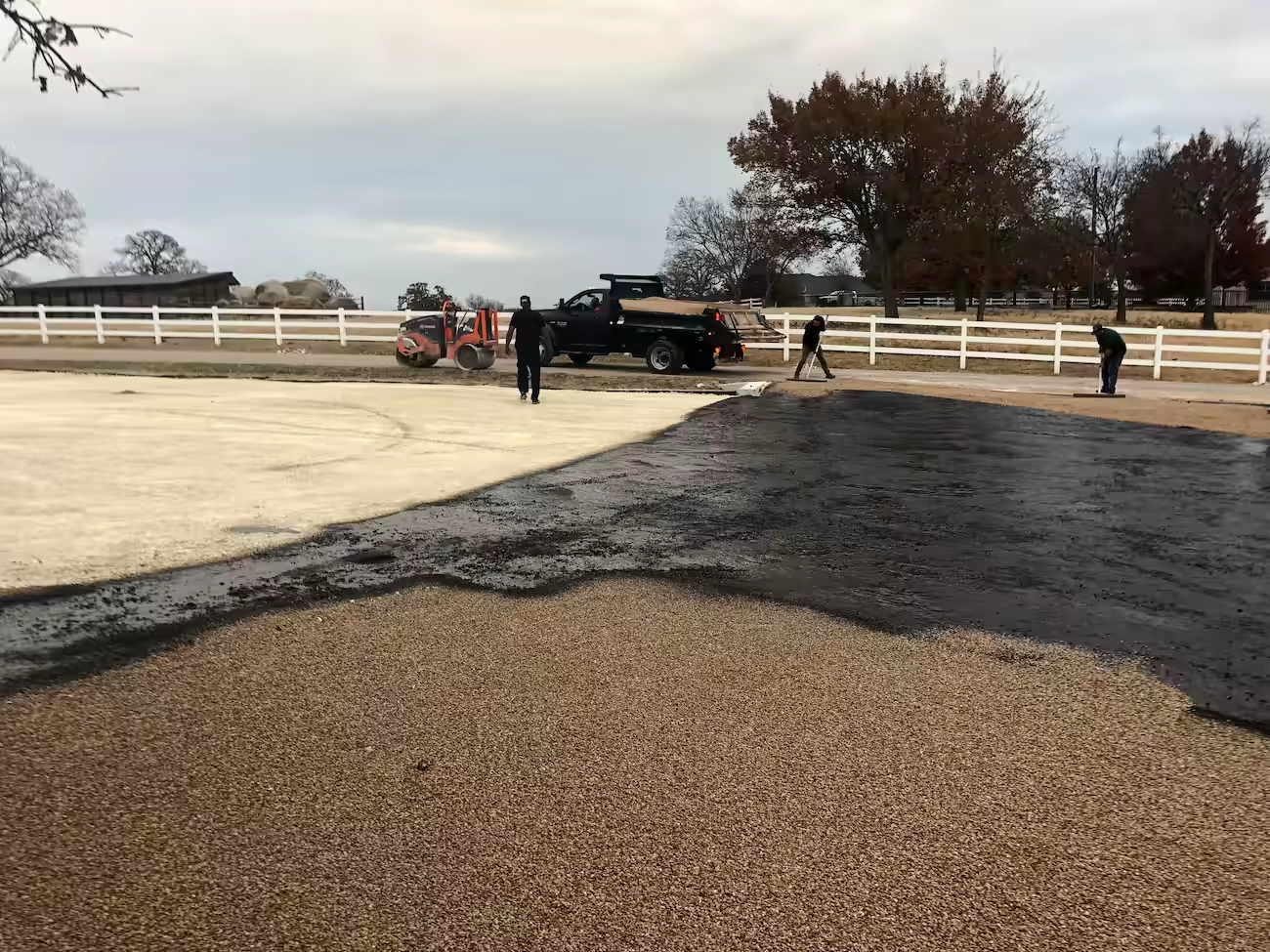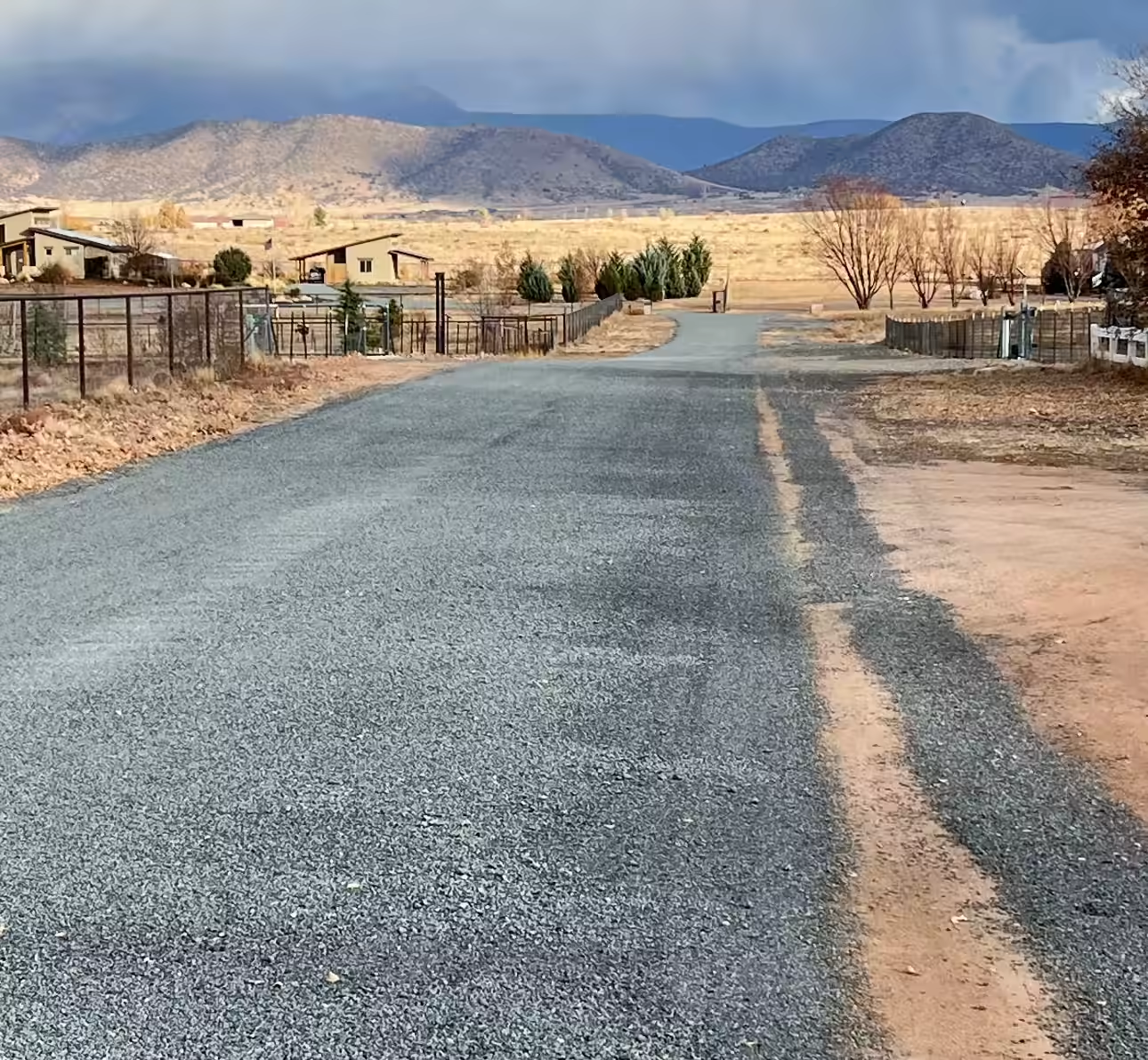
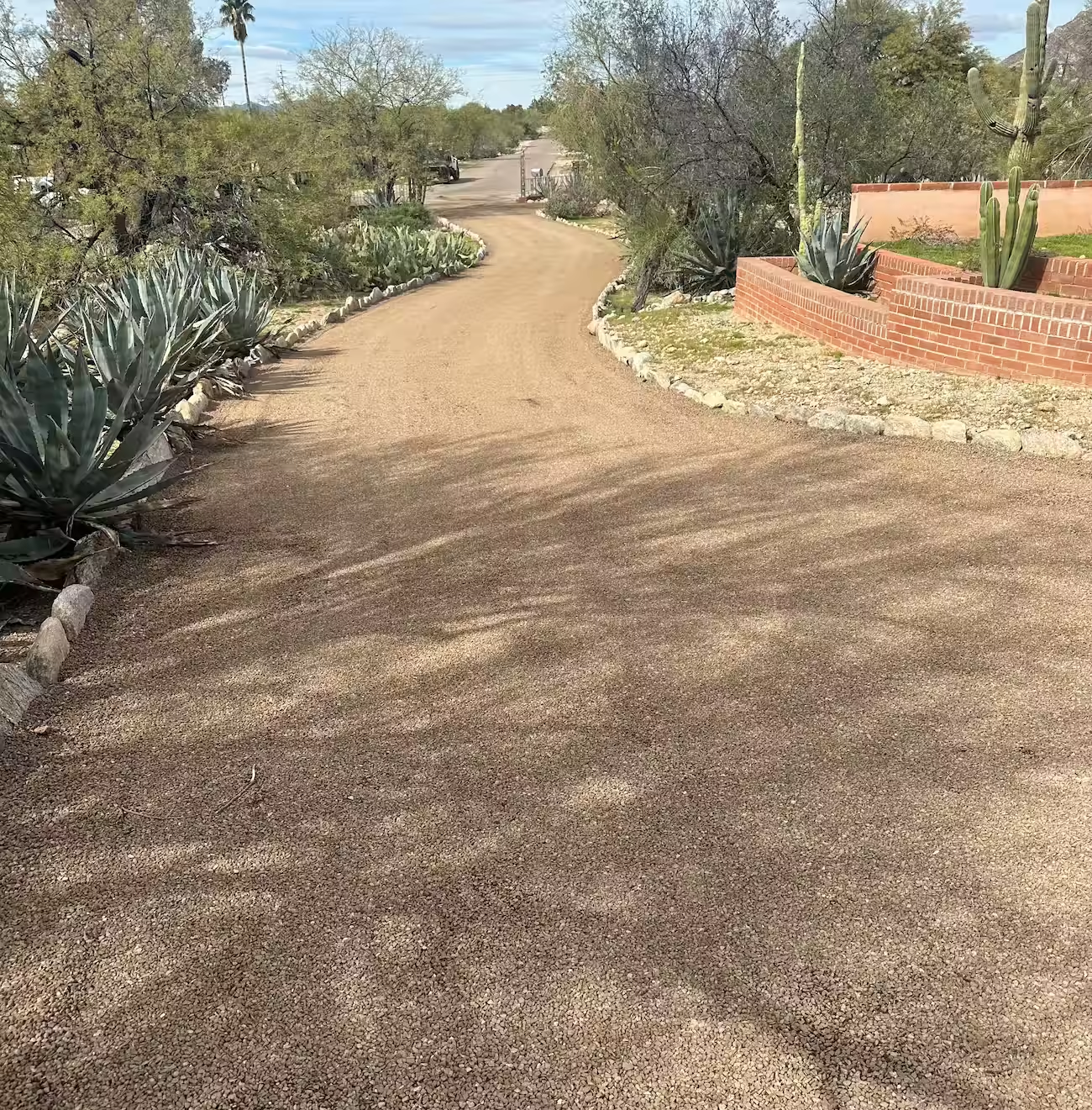
The cost of a chip seal driveway in Arizona comes down to a handful of things: how long and wide the drive is, how much base work it needs, how water moves across it, which stone you pick, and whether you choose a single or double seal. Chip seal, also called tar and chip, usually costs less per square foot than asphalt, which is why it is the go-to choice for long desert driveways in Cave Creek, Carefree, Rio Verde and similar acreage areas. Here is what moves the number up or down, so you can compare estimates with confidence.
1. Size: length, width and shape
Square footage is the starting point. A 600-foot drive to a home set back on a desert lot uses far more binder and stone than a short suburban driveway. Width matters too: a 10-foot single lane and a 16-foot drive with room to pass are very different jobs.
Shape counts as well. Curves, a circular drive, a parking pad or a turnaround near the garage add area and take more time to spread and roll evenly than a straight run.
2. The base underneath
This is the biggest variable, and the one that most often explains why two quotes differ. Chip seal is a wearing surface that bonds to the base, so the base has to be firm and well shaped. The options run from light to heavy:
- Sealing over a good existing base. A compacted gravel or decomposed granite drive with no soft spots may need only light grading and compaction.
- Regrading and adding base. Ruts, washboard and thin spots call for new base material, shaping and compaction.
- Building from raw ground. A new drive across native desert needs clearing, grading and a full base before any seal goes down.
Caliche shows up often around Cave Creek and the foothills north of Phoenix. It makes a hard foundation, but it can need extra work to cut and shape, and it does not let water soak in, which brings us to drainage.
3. Drainage and washes
Desert driveways often cross a wash or sit below a slope that sheds water during monsoon storms. Getting that water off and away from the drive may mean shaping a crown, cutting shallow ditches, setting a culvert or building a hardened crossing. That work adds cost up front, but skipping it is the most common reason a chip seal drive fails early.
4. Single or double chip seal
A single chip seal is one layer of binder and stone. A double chip seal adds a second, finer layer on top for a tighter, longer-wearing surface. The double seal costs more because it uses more material and an extra pass of equipment, but it usually holds up longer under daily traffic. For a busy household drive, or one that carries trailers and delivery trucks, the extra layer is often worth it over the life of the surface.
5. Stone size and color
Stone choice changes the look more than the price, but it can still play a part. Local stone is the easiest to source. A specific color picked to blend with your landscaping or match HOA guidelines, which is common in Anthem and Fountain Hills, may need to come from farther away.
6. Access, slope and distance
Steep grades take more care to build and seal evenly, and tight access through a gate or between saguaros can slow equipment down. Because we travel up to about 100 miles from Phoenix, distance to the job also plays a small part, especially for smaller projects.
Cost factors at a glance
| Factor | Pushes cost down | Pushes cost up |
|---|---|---|
| Size | Short, straight, single lane | Long, wide, curves and turnarounds |
| Base | Solid, compacted existing base | New base, soft spots, raw ground |
| Drainage | Drive already sheds water | Washes, culverts, regrading needed |
| Seal | Single chip seal | Double chip seal |
| Stone | Local stone | Special color or size |
| Site | Open, level access | Steep grade, tight gate, remote site |
Chip seal compared with the alternatives
Gravel is cheaper to put down, but it needs regrading after rainy seasons and never stops the dust. Asphalt gives a smooth black finish and handles heavy turning traffic well, but it usually costs more per square foot, and the gap grows on a long drive. Many owners on larger lots choose chip seal for the long approach and keep asphalt or concrete near the garage. If you are weighing those options, our driveway paving page covers asphalt in more detail.
How to compare estimates fairly
- Check that every estimate covers the same length and width.
- Ask what base prep is included, and how deep.
- Ask how drainage will be handled where water crosses the drive.
- Confirm single or double seal, and the stone being used.
- Confirm the contractor is licensed with the Arizona Registrar of Contractors. Ours is ROC #353656.
With a solid base and good drainage, a chip seal driveway often lasts 7 to 10 years or more before it needs a fresh seal coat, which makes it one of the best values for long desert drives.
Get a real number for your driveway
Every driveway is different, so the only accurate price comes from looking at yours. We measure the drive, check the base and drainage, and walk you through the options. See our tar and chip driveways page for how the work is done, then ask for a free estimate. The site's 15% paving savings applies to chip seal driveways too.
We do this work in Cave Creek, Carefree, Rio Verde, Anthem and Fountain Hills and across the Phoenix area.
Common questions
Is chip seal cheaper than asphalt for a driveway?
In most cases, yes, per square foot. The gap matters most on long driveways, where the savings add up with every foot of length.
Why do two chip seal quotes for the same driveway differ so much?
Usually because they include different base work. One quote may seal over the existing surface while another regrades, adds base and fixes drainage first. Ask each contractor what prep is included.
Can I lower the cost of a chip seal driveway?
Keeping the layout simple helps, as does sealing a drive that already has a solid, well-drained base. A single seal costs less than a double seal, though the double seal usually wears longer.
Do you charge for estimates?
No. We look at the driveway, check the base and drainage, and give you a free written estimate.