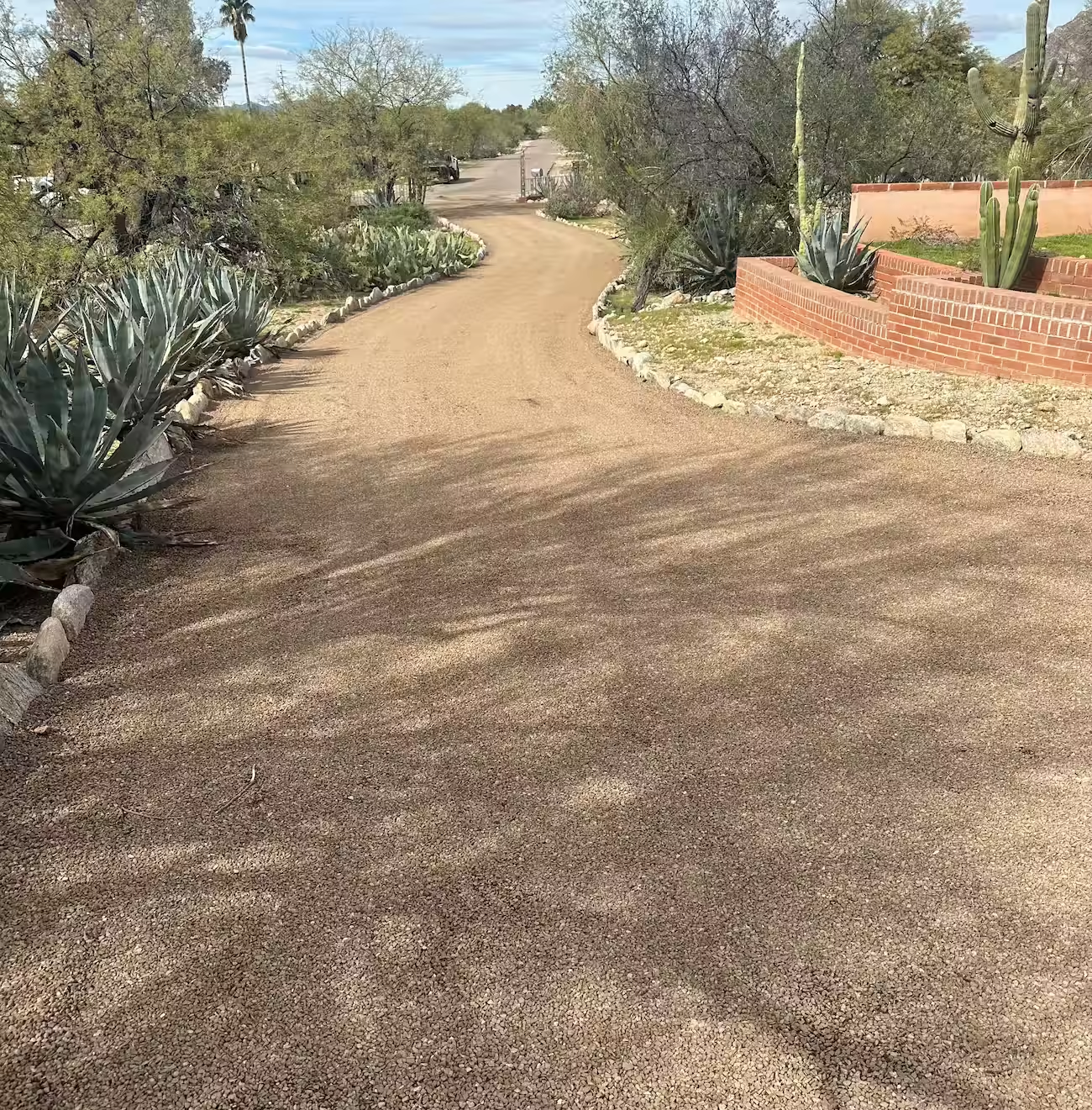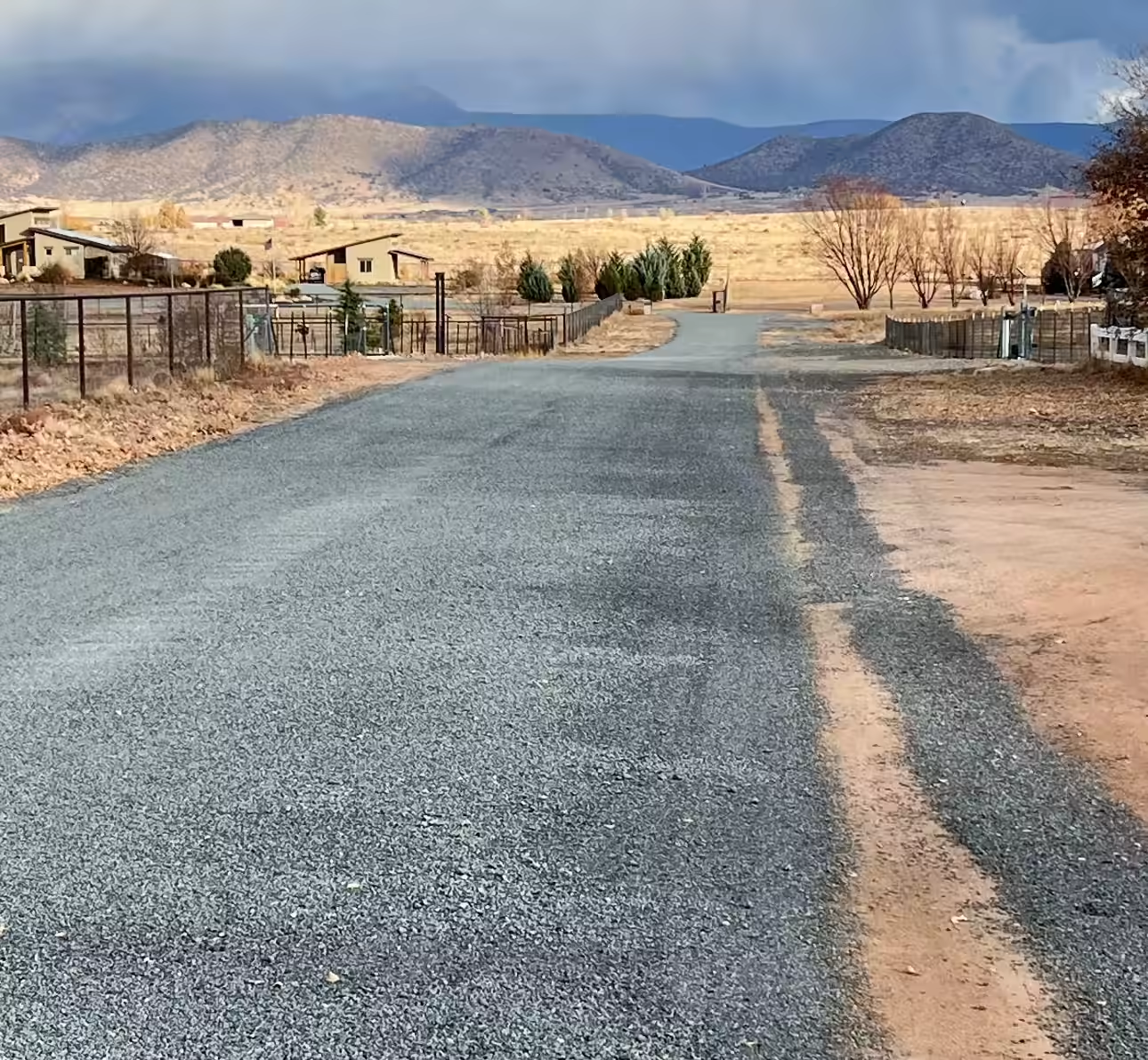
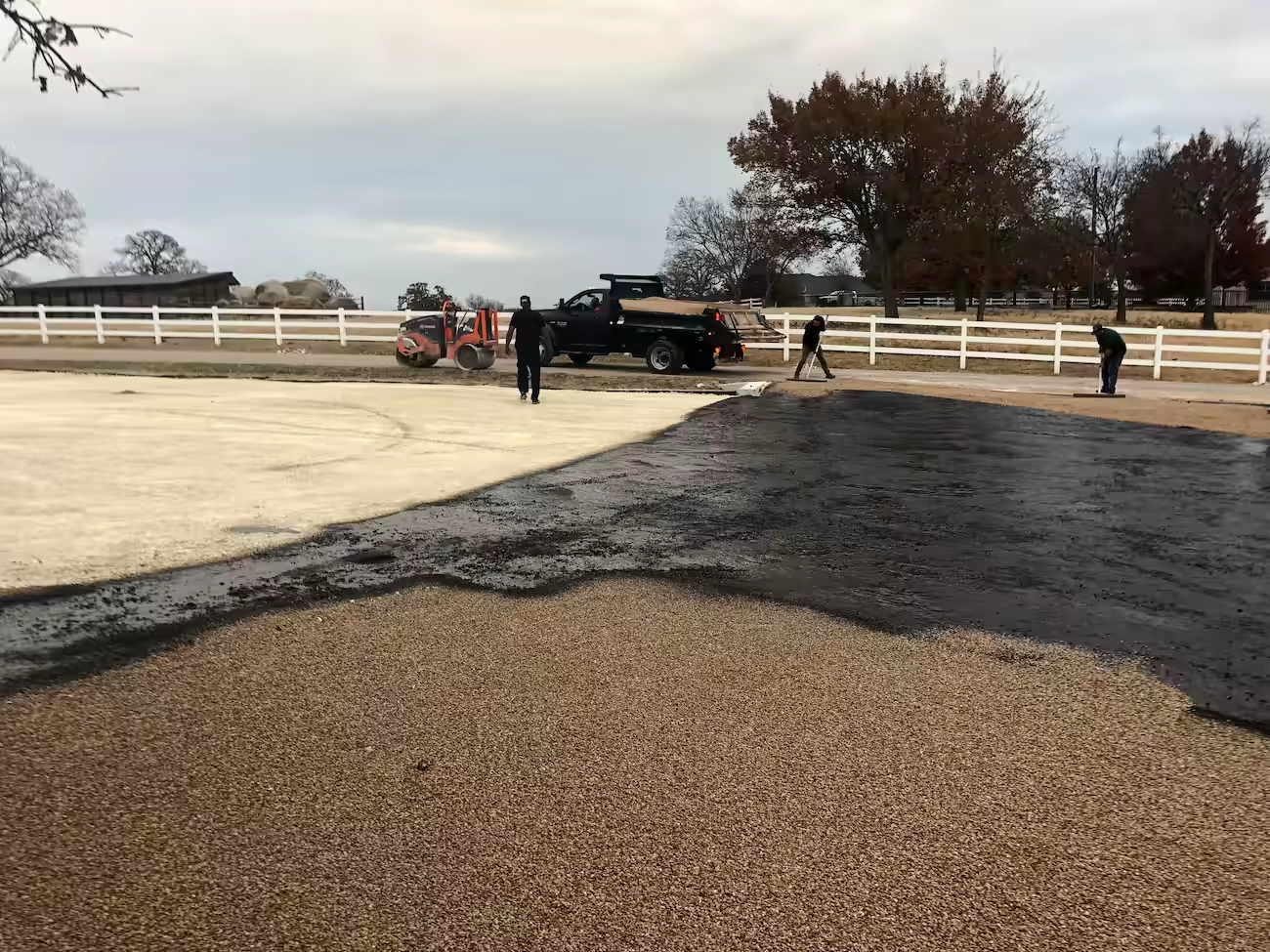
A chip seal ranch road or private road in Arizona lasts when water leaves it quickly. Chip seal, also called tar and chip, turns a dusty, rutted dirt road into a sealed surface for far less than asphalt, and it fits the long rural drives you find around Wickenburg, Wittmann, New River and the open desert west of Phoenix. The stone is the part everyone sees, but the shape of the road underneath decides how long it lasts.
Why ranch roads fail in the first place
Most rural roads around Phoenix start as graded dirt or decomposed granite. They work fine until the first big storm. During the monsoon, roughly July through September, short heavy downpours send sheets of water across the desert. On a flat or sunken road, that water runs down the wheel tracks, cuts ruts and carries off the fines that hold the surface together. By fall the road is washboard, and the next storm makes it worse.
Dust is the other problem. Every truck, trailer and delivery van kicks up a cloud, which coats the house, the horses and the neighbors. A sealed road ends that.
Adding more gravel only buys time. Loose rock gets pushed to the shoulders, pulled into the washes and tracked into the yard, and the road needs grading again after every rainy season. A chip seal surface locks the stone in place, so the work you put into the base stays put.
What a chip seal ranch road needs
A firm, compacted base
Chip seal is a thin wearing surface. It bonds to the base and protects it, but it does not add much strength on its own. Before we seal, soft spots are dug out, ruts and washouts are filled, and the base is graded and compacted. In caliche country the native ground can be very hard, which helps, but it also means water will not soak in. It has to be steered off the road.
A crown or cross slope
A crowned road is higher in the middle than at the edges, so rain runs to both sides instead of down the center. On a hillside, a road can slope to one side instead. Either way, the goal is the same: no water standing or traveling on the surface.
Ditches, culverts and low-water crossings
Once water leaves the road, it needs somewhere to go. Shallow ditches along the edges carry it to a low point. Where the road crosses a wash, a culvert or a hardened low-water crossing keeps the flow from cutting across the seal. Many washouts we see start at a crossing that was never built for the water it gets.
Width, turnouts and turnarounds
Think about the biggest vehicle that uses the road. Horse trailers, hay deliveries, propane trucks and fire equipment need room to pass and turn. Turnouts on a long single-lane road and a turnaround near the house save the edges from being chewed up by tires that leave the surface.
Single or double chip seal?
A single chip seal is one layer of binder and stone. A double chip seal adds a second layer of smaller stone on top, which fills gaps and makes a tighter, longer-wearing surface. Here is how they usually compare on a ranch or private road:
| Single chip seal | Double chip seal | |
|---|---|---|
| Best for | Light traffic, one or two homes | Shared roads, trailers, heavier or more frequent traffic |
| Surface | Rougher texture, more loose stone at first | Tighter, smoother texture |
| Wear life | Shorter | Longer, often by several years |
| Cost | Lower | Higher, since it uses more binder and stone |
With good drainage, a chip seal road often lasts 7 to 10 years or more before it needs a fresh seal coat. Steep grades, standing water and heavy turning traffic shorten that.
Shared private roads
A lot of acreage around Morristown, Aguila and Tonopah sits on a private road that several owners share. Those projects go smoother when a few things are settled up front:
- Who is in. Every owner who uses the road should see the same scope and the same estimate.
- How the cost splits. Common methods are by frontage, by number of lots, or by how far down the road each property sits.
- Who maintains it. A simple written road maintenance agreement covers future sealing, crack repair and culvert cleanout.
- Access during work. Fresh chip seal needs a short time before normal traffic, so we plan the day so nobody is stuck behind the crew.
Planning around Arizona weather
Chip seal binder needs warm, dry weather to set. In the low desert, fall and spring are comfortable times to build, and summer work is scheduled for the cooler part of the day. Wrapping up drainage work before the monsoon arrives saves the new surface from its first test while the base is still settling. North toward Wickenburg and higher, nights cool off sooner in the fall, so the season runs a little shorter.
What to have ready for an estimate
- The rough length of the road, and where it meets the county or state road.
- Where water crosses it during storms, and any washes or culverts.
- The vehicles that use it: cars, trucks, trailers, livestock haulers, deliveries.
- Whether the road is shared, and how many owners are involved.
We walk the road, check the base and drainage, and explain what it needs before anything is sealed. Learn more about our tar and chip ranch roads and general tar and chip paving. Estimates are free, and the current 15% paving savings on the site applies to ranch and private road work too.
We do this work in Wickenburg, Wittmann, Morristown, Aguila, Tonopah and New River and across the Phoenix area.
Common questions
Can a dirt ranch road be chip sealed as it is?
Usually not without some prep. The road needs a firm, compacted base with a crown so water runs off. Ruts, soft spots and washouts are regraded and filled with base material before any binder goes down.
How wide should a chip seal private road be?
Wide enough for the traffic it carries. A single-lane drive works for one home, while a shared road with delivery trucks, trailers or two-way traffic needs more width or pullouts. We look at who uses the road before setting the width.
Who pays for a shared private road?
That depends on the owners. Many shared roads split the cost by frontage or by number of lots, and some have a written road maintenance agreement. We can give each owner the same estimate so everyone works from one set of numbers.
Will chip seal hold up to monsoon storms?
It holds up well when the road sheds water. Most monsoon damage starts where water sits on the surface or runs along the edge, so the crown, ditches and culverts matter as much as the seal itself.